
First Responder Counseling in Akron & Medina, Ohio
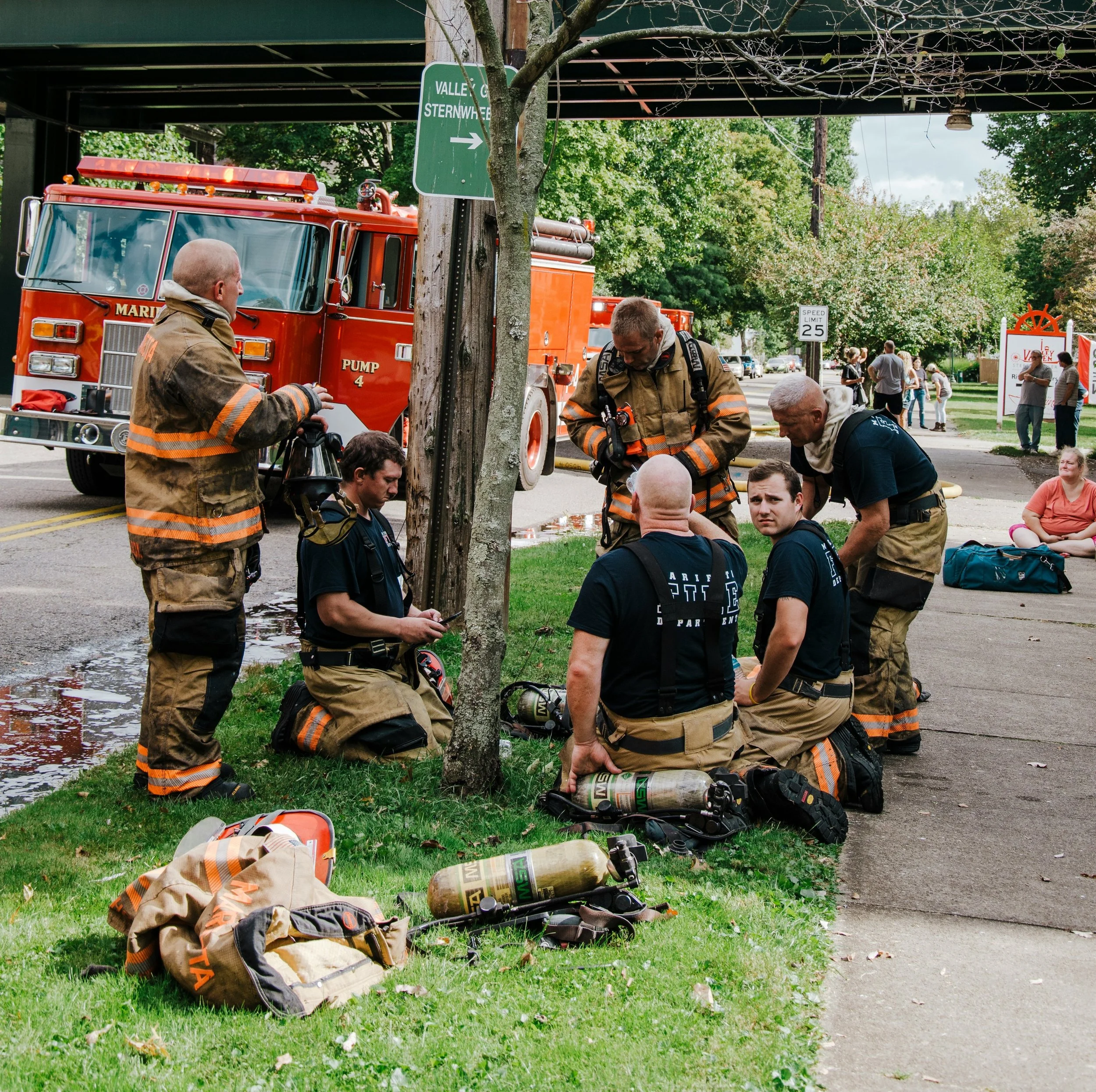
First responders regularly face situations that most people will never experience. From responding to emergencies and witnessing traumatic events to making difficult decisions under pressure, the emotional demands of these professions can be significant.
At Avenues of Counseling and Mediation, we provide mental health counseling for first responders throughout Akron, Medina, and surrounding Northeast Ohio communities.
Our team includes clinicians with specialized experience or training in working with first responders, as well as trauma-informed counselors who understand the importance of providing practical, respectful, and individualized mental health support.
Whether you're struggling with the effects of a particular incident, experiencing ongoing occupational stress, or simply finding it difficult to disconnect from work, counseling can provide a confidential space to address your concerns.
Mental Health Challenges Faced by First Responders
Police officers, firefighters, paramedics, EMTs, emergency dispatchers, and other emergency personnel routinely encounter high-pressure situations.
Over time, these experiences may affect emotional well-being, relationships, sleep, and everyday functioning.
Common concerns include:
Exposure to traumatic or disturbing events
Post-traumatic stress symptoms and PTSD
Anxiety, depression, and persistent stress
Emotional exhaustion and burnout
Sleep difficulties and disrupted schedules
Irritability, anger, or emotional withdrawal
Difficulty transitioning between work and home
Relationship and family stress
Grief following critical incidents or the loss of colleagues
Alcohol or substance use as a way of coping
Not every first responder experiences these difficulties, and reactions to occupational stress vary from person to person.
Counseling offers an opportunity to address challenges before they become more disruptive to daily life.
Trauma and PTSD Counseling for First Responders
Repeated exposure to emergencies, serious injuries, fatalities, violence, and other critical incidents can affect how individuals process stress and perceive safety.
Some first responders experience symptoms associated with post-traumatic stress, including:
Intrusive memories or distressing dreams
Increased alertness or difficulty relaxing
Avoidance of reminders of traumatic events
Emotional numbness or detachment
Irritability or heightened reactions to stress
Difficulty concentrating or sleeping
These symptoms do not necessarily indicate a PTSD diagnosis, but they may be signs that additional support would be helpful.
At Avenues, our clinicians offer trauma-informed counseling, and some have training in specialized trauma treatment approaches, including Eye Movement Desensitization and Reprocessing (EMDR).
Treatment recommendations depend on your individual experiences, symptoms, and the clinician's training.
Counseling for Police Officers and Law Enforcement
Law enforcement professionals face unique occupational demands, including exposure to violence, unpredictable situations, public scrutiny, shift work, and the responsibility of making decisions under pressure.
These challenges may contribute to chronic stress, emotional exhaustion, relationship difficulties, or trauma-related symptoms.
Counseling can provide a space to address concerns such as:
Critical incident stress
Hypervigilance and difficulty relaxing
Anxiety, depression, and burnout
Anger and emotional regulation
Work-life balance
Relationship and family challenges
Grief and loss
Our counselors recognize that trust and understanding are important when seeking mental health support, particularly in professions where individuals may feel pressure to remain strong or avoid discussing emotional difficulties.
Counseling for Firefighters, EMTs, and Paramedics
Firefighters, EMTs, and paramedics frequently encounter medical emergencies, serious injuries, loss of life, and unpredictable working conditions.
The cumulative impact of these experiences may contribute to emotional distress, fatigue, anxiety, grief, or difficulty disconnecting from work.
Counseling may help emergency personnel process difficult experiences, develop coping strategies, manage occupational stress, and strengthen relationships outside of work.
Whether concerns arise from a specific event or build gradually over time, mental health support can be tailored to the individual's needs.
Mental Health Support for Emergency Dispatchers
Emergency dispatchers and 911 operators play a critical role in emergency response, often managing highly stressful situations without being physically present at the scene.
Listening to distressing calls, coordinating urgent responses, and managing uncertainty can create significant emotional demands.
Counseling may help dispatchers address anxiety, secondary traumatic stress, burnout, sleep difficulties, and other concerns associated with their work.
First Responder Burnout and Cumulative Stress
Not all occupational stress comes from a single traumatic incident.
For many first responders, the ongoing demands of the job can gradually affect emotional and physical well-being.
Long shifts, irregular schedules, repeated exposure to difficult situations, and limited opportunities for recovery may contribute to burnout or cumulative stress.
Signs may include:
Feeling emotionally exhausted or disconnected
Increased frustration or irritability
Difficulty enjoying activities outside of work
Changes in sleep or energy
Withdrawal from friends or family
Feeling overwhelmed by responsibilities
Difficulty leaving work-related concerns at work
Counseling can help individuals identify sources of stress, develop healthier coping strategies, and explore ways to support their well-being.
Supporting Relationships and Family Life
The effects of first responder work can extend beyond the workplace.
Irregular schedules, emotional exhaustion, trauma exposure, and difficulty transitioning out of work mode may affect communication and relationships at home.
Some first responders find it difficult to discuss their experiences with loved ones, while family members may struggle to understand changes in mood, behavior, or availability.
Counseling may help individuals improve communication, establish boundaries, manage stress, and strengthen personal relationships.
When appropriate, couples or family counseling may also provide additional support.
Learn more about Couples Counseling
Counseling Approaches for First Responders
Our clinicians use different therapeutic approaches depending on their training and each client's needs.
Treatment may incorporate:
Trauma-informed individual counseling
Eye Movement Desensitization and Reprocessing (EMDR), when appropriate
Stress management and emotional regulation strategies
Supportive counseling for occupational and relationship concerns
Some clinicians have specific experience or training working with first responders, while others bring broader expertise in trauma, anxiety, depression, and related concerns.
Our intake team can help identify a counselor whose background and approach align with your needs.
Confidential Counseling for First Responders
Concerns about privacy can be a significant barrier to seeking counseling, especially for individuals working in law enforcement, emergency services, or other public safety professions.
At Avenues, counseling is provided in accordance with applicable professional confidentiality standards and privacy laws.
Mental health treatment is generally private, although legal and ethical exceptions to confidentiality may apply, including certain safety-related situations and legally required disclosures.
If you have questions about confidentiality, employer involvement, or the use of insurance, our team can help explain how these issues may apply to your care.
Seeking counseling does not automatically mean that your employer will receive information about your treatment.
First Responder Counseling in Akron, Ohio
Avenues of Counseling and Mediation provides individual mental health counseling for first responders at our Akron office.
We serve police officers, firefighters, EMTs, paramedics, dispatchers, and other emergency personnel throughout Akron, Fairlawn, Bath Township, and surrounding Summit County communities.
Our intake team can help connect you with clinicians who have relevant training or experience in trauma-informed counseling and first responder mental health.
First Responder Counseling in Medina, Ohio
Our Medina office offers counseling for first responders experiencing occupational stress, trauma-related concerns, anxiety, depression, grief, and relationship challenges.
We serve individuals working in Medina and surrounding Northeast Ohio communities.
Our team can help you explore available counselors based on your concerns, preferred therapeutic approach, and scheduling needs.
Frequently Asked Questions About First Responder Counseling
Do I need to have PTSD to seek counseling?
No. First responders seek counseling for many reasons, including stress, anxiety, depression, burnout, relationship difficulties, grief, and life transitions. You do not need a PTSD diagnosis to benefit from mental health support.
Is counseling confidential if I work in law enforcement or emergency services?
Counseling is generally confidential under applicable privacy laws and professional standards, with certain legal and ethical exceptions. Your counselor can discuss confidentiality and its limits before treatment begins.
Can counseling help with stress from repeated critical incidents?
Yes. Counseling may help first responders process difficult experiences, recognize stress responses, and develop strategies for managing cumulative occupational stress.
Do your counselors understand first responder work?
Our team includes clinicians with specific training or experience working with first responders, as well as trauma-informed counselors who address related mental health concerns. Our intake team can help identify an appropriate match.
Do you offer EMDR for first responders?
Avenues has clinicians trained in EMDR, an evidence-based treatment for PTSD. Availability and appropriateness depend on the clinician and individual treatment needs.
Can first responders receive counseling for relationship or family concerns?
Yes. Counseling can address communication difficulties, work-life balance, emotional withdrawal, and relationship stress. Couples or family counseling may also be appropriate depending on the circumstances.
Find First Responder Counseling at Avenues
First responders dedicate their professional lives to helping others, often under demanding and unpredictable circumstances. Their own mental health deserves attention and support, too.
At Avenues of Counseling and Mediation, we provide individualized counseling for first responders in Akron and Medina, Ohio.
Whether you're dealing with a difficult incident, cumulative occupational stress, or challenges affecting your life outside of work, our intake team can help you find a counselor whose experience and approach fit your needs.
Contact Avenues to explore available first responder counseling appointments.